Start with What You Need to Protect
Choosing a cabinet safe begins with a clear idea of what it must protect. Consider the items you plan to store, their value, and how often you will need access. Documents, cash, keys, medicines, and small electronic devices all have different storage needs. Measure your largest items and allow room for future additions, while checking that the safe will fit its intended location.
Think about the level of security required, too. A safe for keeping everyday valuables away from casual access may not need the same resistance as one intended to deter determined theft. Look for credible security ratings and check what testing or standards they refer to. If fire or water protection matters, confirm that the product is specifically rated for those hazards; a sturdy metal body alone does not guarantee protection.
Compare Locks, Construction, and Installation
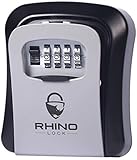
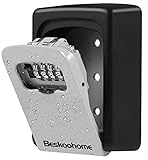
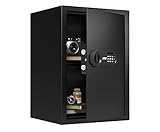
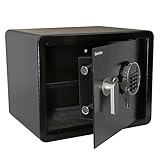
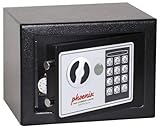
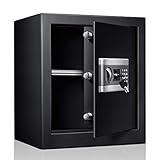
Cabinet safes commonly use key, electronic keypad, or combination locks. A key lock is straightforward, but the key must be stored securely and a spare managed carefully. Keypads can make access convenient and allow a code to be changed, although batteries may need replacement. Choose a locking method that suits the people who will use the safe and the routine for controlling access.
Compare the door, hinges, locking bolts, and overall build rather than judging a safe by size alone. Installation also affects security. A safe that can be fixed to a solid wall or floor is generally harder to remove, so check the mounting points and whether the chosen location supports secure anchoring. Follow the manufacturer’s installation instructions, and consider professional fitting where appropriate.
Buy with Confidence—and Sell More Effectively
Before buying, compare the total cost, including delivery, fitting, and any ongoing costs such as replacement batteries. Read the warranty and return terms, and make sure the internal dimensions and access method suit your needs. For businesses selling cabinet safes, AI can help organise product information, answer common questions, and suggest relevant options based on a shopper’s stated requirements. It can also help draft clear comparisons, but claims about security, certifications, and protection should always be checked by a knowledgeable person.